
News
Access controls in Austrian cities
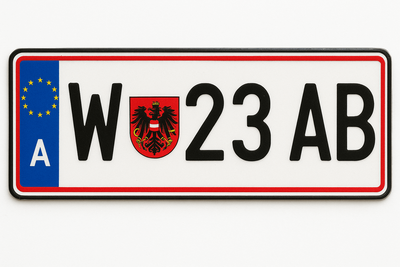
Some European countries have already done so, and now Austria is following suit. Austria plans to establish traffic-calmed city centres, as Italy aof Sweden have already done.
From May 2026, traffic-calmed areas equipped with cameras for monitoring purposes are to be in place. The affected roads will be clearly signposted. This is intended to actively contribute to climate protection and improve quality of life in cities. Cities will be quieter, which should significantly improve the latter.
Incidentally, this is provided for in the new road traffic regulations, which we recently discussed.
Of course, the regulation does not apply unconditionally. In pedestrian zones, for example, residents are often exempt, meaning they are allowed to drive on the respective streets. This is how it should be designed here, too. The camera should be able to detect who is permitted to drive on the street. Licence plate numbers will need to be entered into the system in advance so they can be verified as legitimate.
This is similar to the licence plate recognition system used in car parks. Therefore, residents will be allowed to drive on the roads in any case. Emergency vehicles, delivery services, taxis and motorcycles, as well as mopeds, are also exempt from the ban. This measure also applies to tourists. Before travelling to Austria, it is therefore necessary to find out which cities are implementing this concept.
A total of 25 cities are participating.
There will be no problems with data protection. The camera only captures and stores the licence plate number, not any personal data. The system then compares this licence plate number with the local authorisation list. Problems are more likely to arise in the financial area.
Penalties amount to several hundred euros.
A single violation will incur a fine of 726 euros, and this can rise to as much as 2,180 euros in the case of multiple violations.
However, the cameras are not expected to be installed before 2028. This is due to the EU tender process for technology and software.
Source: Pixabay/ChatGPT / AI generated