
News
Traffic rules in Europe's streets can end up costing you dearly, turning them into a cost trap.
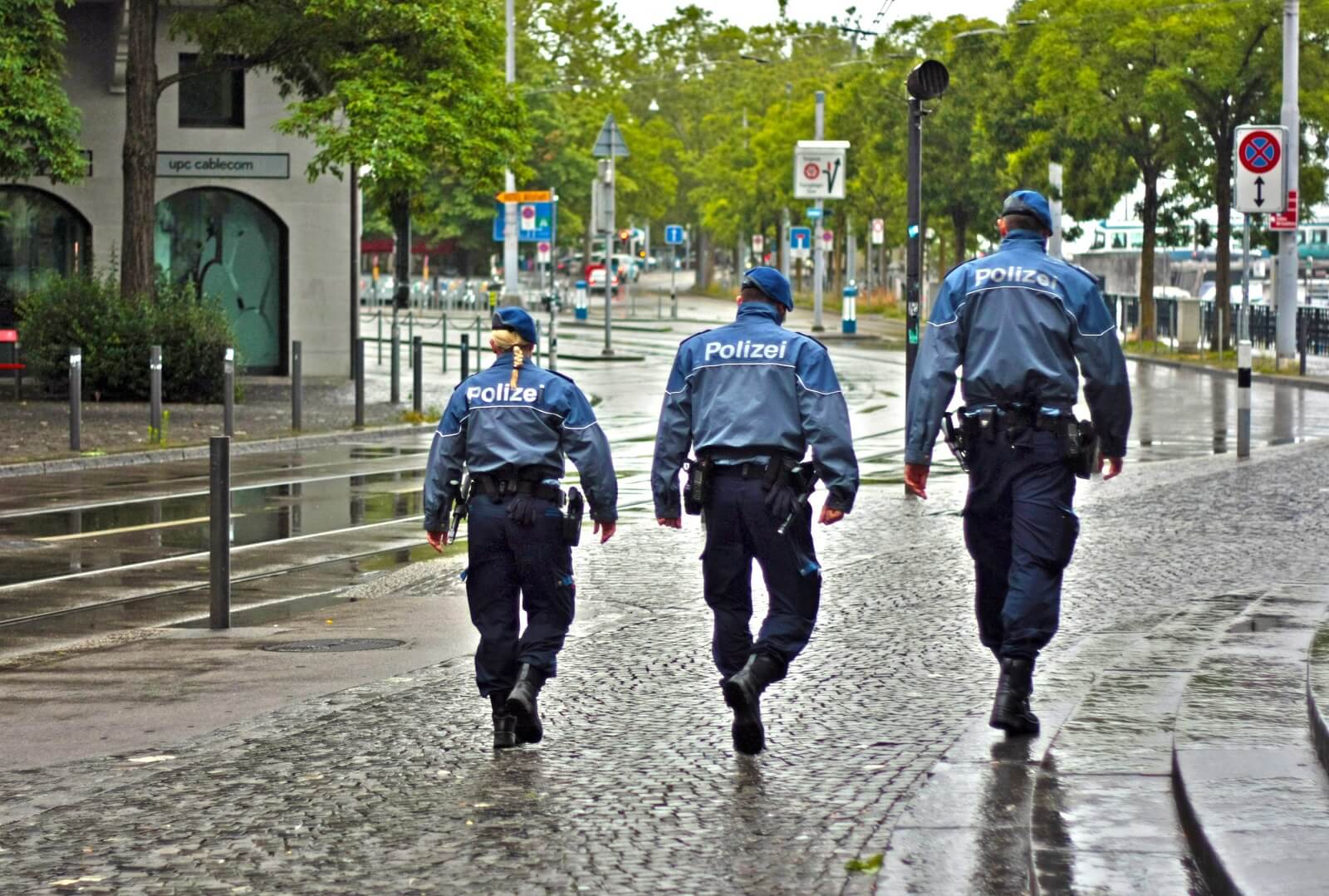
Europe’s streets are becoming expensive places to be, with traffic rules that could end up costing you dearly.
Anyone travelling through Europe by car, e-scooter or e-bike in 2026 should prepare for much stricter regulations. Several European countries have tightened their traffic laws. These changes also apply to tourists. New regulations and high fines could incur significant costs, even for minor violations.
Italy: Intensification of e-scooter rules
From 16 May 2026, new obligations will apply to e-scooters. Riders must meet requirements regarding the e-scooter itself, liability insurance and helmet use. Additionally, e-scooters must be fitted with turn signals and a stoplight. Failure to comply with these equipment regulations may result in fines rangiang from €50 to €800, depending on the specific violation.
E-scooters can only be driven in built-up areas at a maximum speed of 50 km/h and in pedestrian zones at a maximum speed of 6 km/h.
The aim is to reduce the number of accidents.
Austria: Focus on safety
Stricter rules on e-scooters, e-bikes and e-mopeds have been in effect since 1 May 2026. Vehicles must have turn indicators and bells. The blood alcohol limit has also been lowered to 0.5 per mil. The helmet requirement now covers young people up to the age of 16 for e-scooters and up to the age of 14 for e-bikes.
From 1 October 2026, e-mopeds will be legally classified as vehicles under the new Integrated Vehicle Hub (IVH) law, meaning they will require a navigation system. Consequently, drivers will be required to hold a driving licence, display registration plates and wear a helmet.
Netherlands: Significant increase in fines
This country already imposes high fines on traffic offenders. From 2026, many fines will increase again. Using a mobile phone while driving will cost €440, as will running a red light, unsafe overtaking or driving unnecessarily in the left-hand lane.
Even illegal parking can result in fines of up to €500. German drivers should also be aware that Dutch fines may be enforced in Germany.
Therefore, ignoring traffic fines is ineffective, as cross-border enforcement of fines within the EU is common.
Czech Republic
1. Digital vignette
The Czech Republic's toll system has been fully digital since 2026. While the vignette no longer needs to be displayed on the windscreen, it must still be registered with the government. Failure to do so may result in fines. Providing false information regarding toll exemptions may also result in fines of up to several thousand euros.
2. Zero tolerance for alcohol
A particularly strict rule applies to alcohol. Furthermore, the limit is 0.0 per mille (= zero tolerance).
Even a small amount of alcohol can have serious consequences. A blood alcohol concentration (BAC) of up to 0.3 per thousand is considered an administrative offence, punishable by a fine and a driving ban of six to twelve months. A BAC over 1.0 per thousand constitutes a criminal offence, which may result in a fine, imprisonment or a driving ban of up to ten years. Police checks are important, with officers conducting regular checks, particularly along transit and holiday routes.
From 2026 onwards, simply refusing to take an alcohol test will result in an automatic fine and driving ban.
Whether it is an e-scooter, a car, or an e-bike, European countries are significantly tightening their traffic rules and fines. For travellers this means more caution is necessary.
Sources
Pixabay_city-police-street-law-urban/2189720 https://pixabay.com/photos/city-police-street-law-urban-2189720/ ·
Austria: https://www.bmimi.gv.at/service/presse/hanke/2026/0416-stvo.html ·
Czech Republic: https://winiety24.eu/de/artykul/bussgelder-tschechien-2026-bussgeldkatalog
European countries are significantly tightening their traffic rules and fines, whether for e-scooters, cars, or e-bikes.