
News
Tachographs in Focus: The EU allows more flexibility in everyday life.
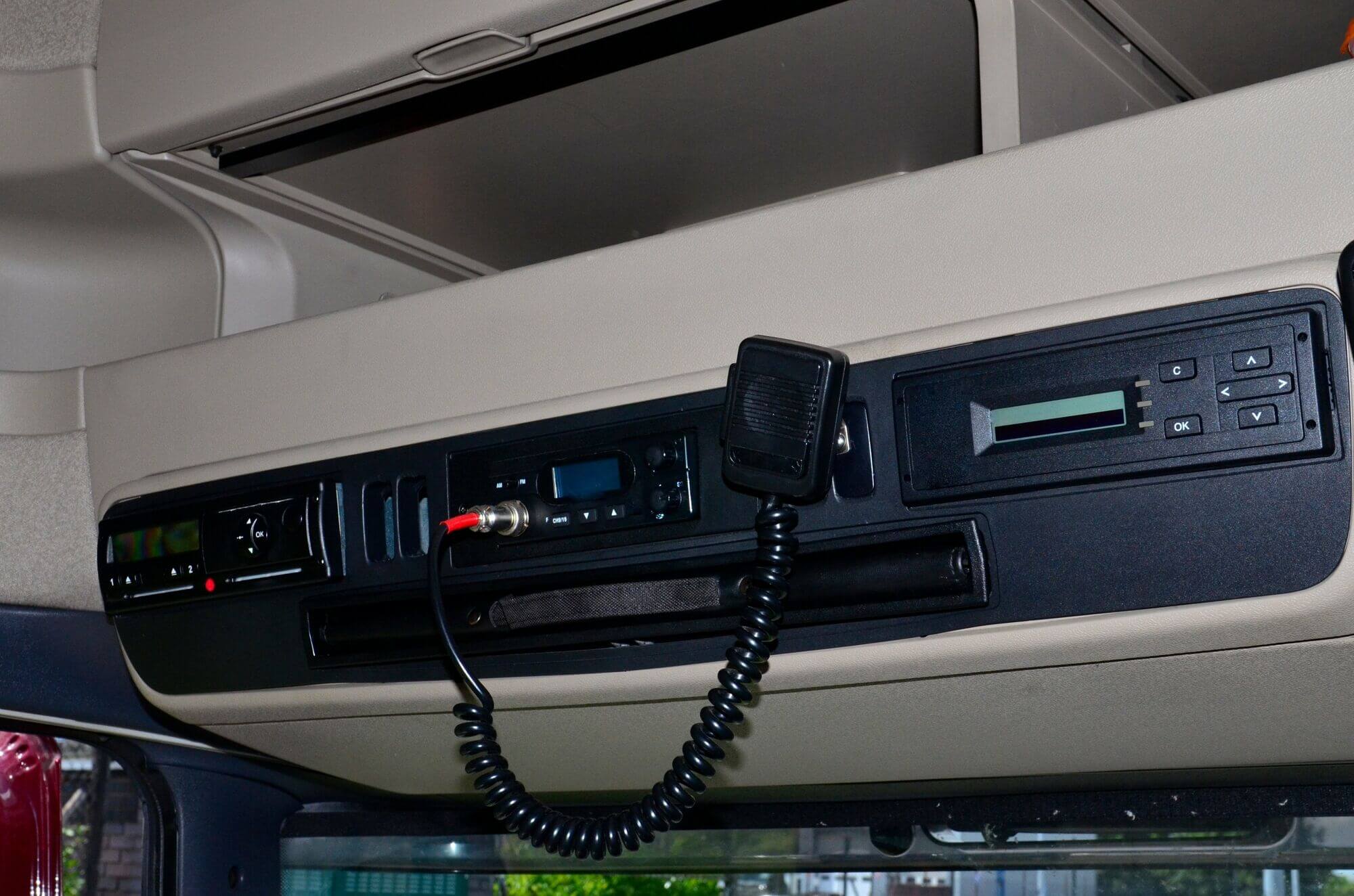
The EU Commission has released new guidelines that clarify how to apply tachograph provisions in freight transport. The new guidelines address open practical issues, such as border crossing registration, driver cards, and conversion deadlines. The rules remain the same, but officials will interpret and apply them more precisely and flexibly.
The goal is to create more uniformity for drivers, companies, and control authorities.
Border-crossing: less rigid guidelines
Regarding border crossings, the guidelines are less rigid. Drivers must still manually enter border crossings and country codes into the tachograph. These obligations remain. In the future, authorities will assess timing more flexibly. If parking lots are full or unsafe, drivers may continue driving. The key point is the "first suitable stop."
To prevent such issues, the second generation of smarter tachographs will gradually be introduced. These devices have GPS and automated border detection capabilities. They will automatically record border crossings.
One example is the Smart Tachograph Version 2, which automatically records border crossings. Regulatory authorities can retrieve this data directly from the device. This significantly simplifies roadside inspections.
Tachograph requirement for lighter vehicles
Starting in July 2026, authorities will require tachographs in lighter vehicles (2.5 tons) used for cross-border commercial transport. Previously, the limit was about 3.5 tons, so the new rule significantly lowers the limit and includes a new vehicle segment.
The goal is to reduce errors and monitor driving and rest times more effectively in cross-border traffic.
These rules mean more administrative work for companies. They must install digital tachographs and maintain more detailed records. They will also face more frequent inspections.
Unchanged law, new interpretation
At the same time, the EU Commission is restricting existing exemptions.
Vehicles operating exclusively outside the EU under the AETR system are exempt from certain retrofitting requirements. These vehicles do not transport goods within the EU. Meanwhile, Brussels is expediting the integration of driver cards from third countries. This process will continue until August 2028. The goal is to harmonize systems across Europe.
While the EU maintains existing obligations, it also offers greater clarity and practical guidance as regulations in the transport sector increase.
Source: Pixabay_car-truck-cb-radio-tachograph/1212576
https://pixabay.com/photos/car-truck-cb-radio-tachograph-1212576/